


News
How to Prevent Container Rain, Mold and Moisture Damage During Ocean Shipping
Opening a shipping container and discovering moldy products, collapsed cartons, rusted metal parts, damaged labels or unpleasant odors is a serious problem for exporters.
Even when goods leave the factory in acceptable condition, changes in temperature and humidity during ocean transportation can cause moisture to accumulate inside the container. This phenomenon is commonly known as container rain, container condensation or cargo sweat.
For manufacturers, exporters, importers and logistics companies, moisture damage can lead to rejected shipments, customer claims, delayed deliveries, rework costs and damaged business relationships.
Preventing these problems requires more than placing a few moisture absorbers inside a container. Reliable protection should begin with raw materials and continue through production, packaging, container loading, ocean transportation and storage.
This guide explains why container rain occurs, which products are most vulnerable and how an integrated anti-mildew and moisture-control system can help protect export cargo.
What Is Container Rain?
Container rain is condensation that forms on the inner walls and ceiling of a shipping container and then falls onto the cargo as water droplets.
A shipping container is a relatively enclosed metal environment. During transportation, it may pass through tropical ports, cold ocean areas, large differences between daytime and nighttime temperatures, and several different climate zones.
Warm air can contain more water vapor than cold air. When warm, humid air inside a container comes into contact with cooler steel surfaces, the air may reach its dew point. Excess water vapor then changes into liquid water.
The process usually follows this pattern:
- Warm, humid air enters the container during loading.
- The container doors are closed.
- The temperature drops during the voyage or at night.
- Moisture condenses on the container roof and walls.
- Water droplets fall onto the packaging and cargo.
- Humidity remains trapped around the goods.
- Mold, corrosion, odor, stains and packaging damage begin to develop.
Container rain is especially common when goods are loaded in a hot and humid region and transported to a cooler destination.
Where Does Moisture Inside a Shipping Container Come From?
Moisture inside a container rarely comes from only one source. It usually comes from a combination of the loading environment, cargo, packaging, pallets and outside air.
Humid Air Trapped During Loading
When a container is loaded at a factory, warehouse or port with high relative humidity, moisture-laden air becomes trapped inside after the doors are closed.
This is a common risk in tropical and subtropical manufacturing regions.
Wooden Pallets and Wood Packaging
Wood naturally contains moisture. Pallets, crates, supports and other wooden packaging materials can release water vapor during transportation, especially when they have not been adequately dried.
Heat treatment and kiln drying are not the same process. A heat-treated pallet may still contain significant moisture. Exporters should therefore evaluate the actual moisture content of wooden packaging instead of relying only on a heat-treatment mark.
Cartons and Paper Packaging
Cartons, paper inserts, labels and other cellulose-based materials are hygroscopic. They absorb moisture from the surrounding air and may release it again when temperature and humidity conditions change.
Excessive humidity can weaken cartons, damage printing, cause labels to peel and reduce stacking strength.
Moisture Contained in the Products
Many products and raw materials naturally contain moisture, including:
- Textiles and garments
- Leather and footwear
- Wood and furniture
- Agricultural products
- Paper products
- Natural fibers
- Building materials
- Foam and composite materials
When environmental conditions change, moisture may migrate from the product into the surrounding air and increase the relative humidity inside the packaging or container.
Temperature Fluctuations During Transit
Containers are exposed to sunlight, cold nights, rain, wind, sea temperatures and changing climates along the shipping route.
These temperature cycles can repeatedly create condensation on metal surfaces and around poorly ventilated cargo.
Which Export Products Are Most Vulnerable?
Almost any moisture-sensitive product can be affected, but certain industries face a particularly high risk.
Textiles and Garments
Cotton, linen, blended fabrics and other textile materials can absorb moisture from the air.
High humidity may lead to:
- Mold spots
- Discoloration
- Unpleasant odors
- Fiber damage
- Customer rejection
Finished garments may appear clean when packed but develop mildew during a long voyage if the fabric, cartons or pallets contain excessive moisture.
Leather, Footwear and Bags
Leather and many footwear materials provide favorable conditions for mold growth when humidity is not properly controlled.
Common problems include surface mildew, color changes, odors, coating damage and reduced adhesive performance.
Anti-mildew protection should therefore be considered during material preparation, production, packaging and transportation.
Furniture and Wood Products
Wood products can continue to release moisture after packaging, especially if they were not sufficiently dried or conditioned before shipment.
Moisture can cause mold growth, swelling, cracking, deformation, surface staining and coating defects.
Electronics and Electrical Components
Condensation can damage circuit boards, connectors, copper conductors, metal terminals and sensitive electronic components.
Moisture exposure may cause corrosion, unstable performance, short circuits or complete product failure.
Metal Parts and Machinery
Metal products may begin to rust when condensation forms on their surfaces or when moisture enters the packaging.
The risk is higher when products are shipped without suitable barrier packaging, anti-corrosion protection or humidity control.
Cartons, Paper and Printed Products
High humidity can reduce carton strength and damage labels, printing, manuals, books and paper-based packaging.
Even when the main product remains usable, badly damaged packaging may result in rejection by the buyer.
Agricultural Products
Coffee, cocoa, grains, dried foods, spices and other agricultural products can absorb moisture during transportation.
This may lead to mold, caking, quality loss, odor, flavor changes or failure to meet customer specifications.
Why Desiccants Alone May Not Be Enough
Desiccants are an important part of cargo moisture protection, but they cannot correct every problem.
Desiccants may not provide sufficient protection when:
- Products are packed while still wet
- Wooden pallets contain excessive moisture
- Cartons have been stored in a humid warehouse
- The container has holes or damaged door seals
- Cargo is pressed directly against container walls
- The desiccant type or quantity is unsuitable
- Desiccants are installed incorrectly
- The packaging allows uncontrolled moisture transfer
- Mold-sensitive materials have not received suitable preventive treatment
For more reliable protection, exporters should use a layered system that controls both moisture and mold risk at several stages.
A Five-Layer System for Preventing Mold and Moisture Damage
Layer 1: Control Moisture Before Packaging
Moisture prevention should begin before the goods enter the container.
Recommended actions include:
- Control humidity in production and packaging areas
- Measure the moisture content of raw materials
- Allow coatings, adhesives, inks and cleaned components to dry completely
- Use dry cartons and packaging materials
- Avoid storing finished products directly on damp floors
- Check the actual moisture content of wooden pallets
- Keep goods away from damp walls
- Prevent sudden temperature changes before packaging
Packing a wet product inside a dry carton does not create a dry shipment. The moisture remains inside the system and may later condense or support mold growth.
Layer 2: Apply Material-Specific Anti-Mildew Protection
Anti-mildew agents help inhibit mold growth on susceptible materials.
Depending on the material and production process, an anti-mildew solution may be applied by spraying, dipping, coating, padding, mixing, foaming or direct addition to a material formulation.
Different products require different solutions.
For example:
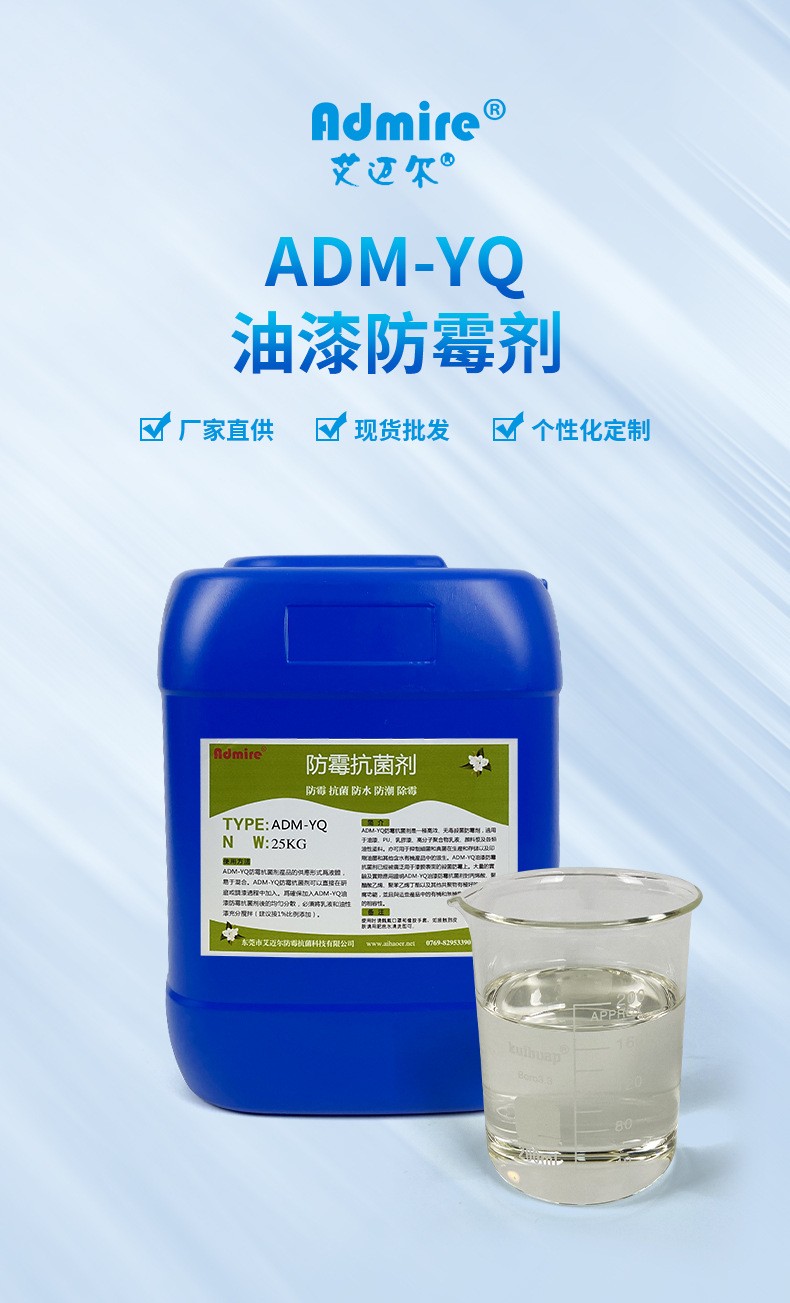
Paints and coating systems may require a compatible paint preservative or anti-mildew additive ADM-YQ Paint Anti-Mildew Agent.
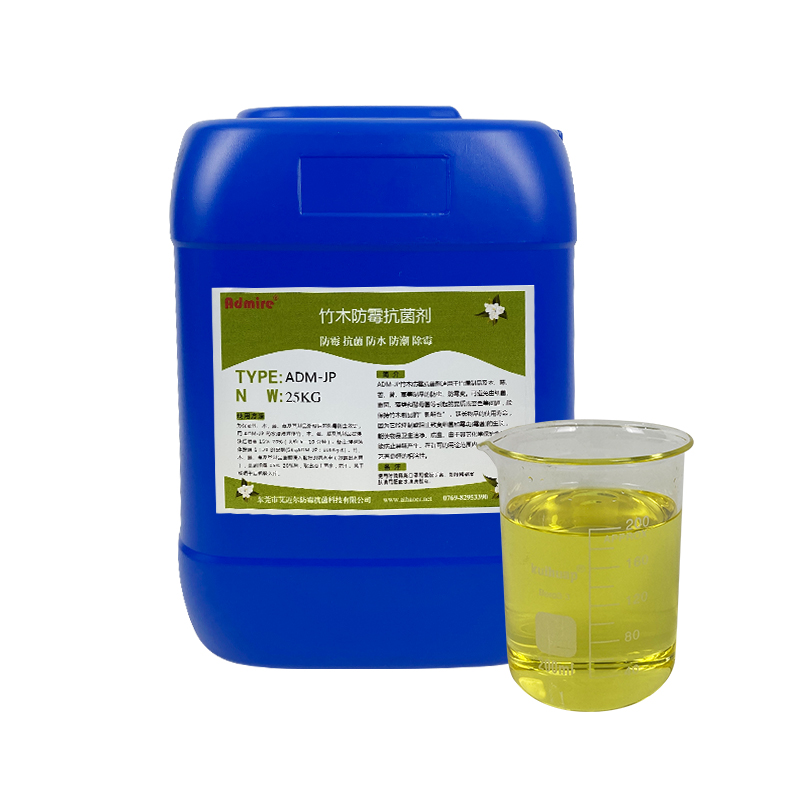
- which is specially formulated for bamboo, wood and rattan products to effectively inhibit mold growth during storage and shipping ADM-JP Wood & Bamboo Anti-Mildew Agent.
- Plastic products and plastic packaging materials may require anti-mildew and antibacterial modification during production ADM05F-215PE Anti-Mildew and Antibacterial Masterbatch.
- Products requiring antibacterial modification may use a suitable silver-ion antibacterial additive after compatibility testing ADM-Ag01 Silver-Ion Antibacterial Agent.
The correct solution depends on:
- Product material
- Manufacturing process
- Target market
- Required protection period
- Storage conditions
- Shipping route
- Packaging method
- Application method
- Safety and compliance requirements
The product and dosage should be confirmed through material compatibility and performance testing before mass production.
Layer 3: Improve Product-Level Packaging Protection
The purpose of moisture-control packaging is to reduce the amount of water vapor reaching the product.
Depending on the cargo, the packaging system may include:
- Sealed inner bags
- Moisture-resistant cartons
- Barrier film
- Protective liners
- Pallet covers
- Waterproof or water-repellent treatment
- Small desiccant packets inside individual product packages
For moisture-sensitive products packed in relatively enclosed spaces, a product-level anti-mildew desiccant H-2 Anti-Mildew Desiccant may be placed inside the individual package or carton.
This type of small packaging desiccant should not automatically be treated as a substitute for a container-level moisture-control system.
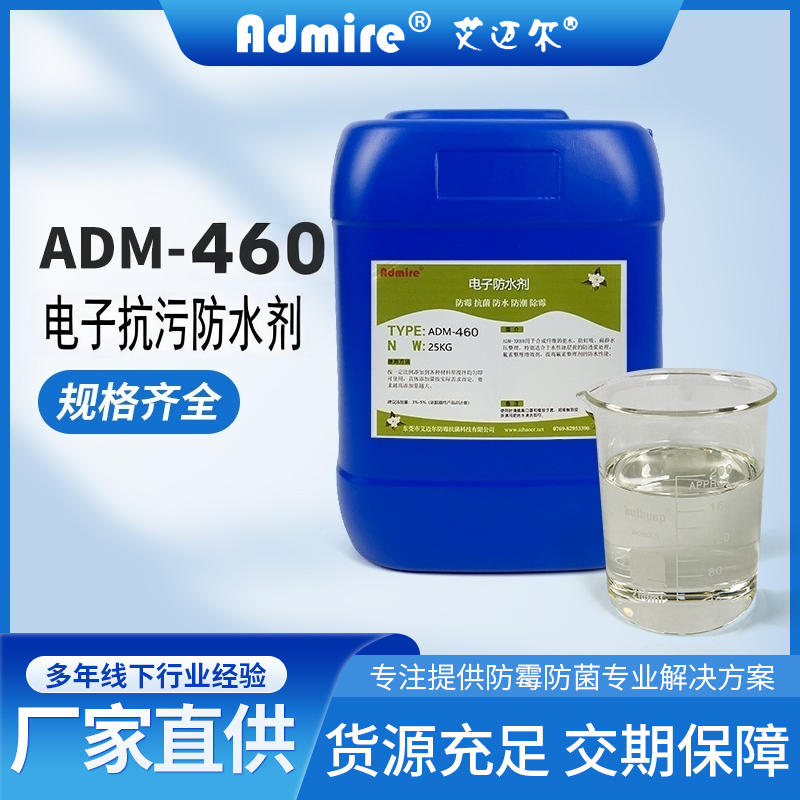
For suitable materials requiring reduced water penetration, a waterproofing treatment ADM-600 Oil-Based Waterproofing Agentmay also be considered after compatibility, appearance and performance testing.
A sealed package can provide useful protection when both the product and packaging are dry. However, sealing a wet product may trap moisture inside and increase the risk of mold.
Layer 4: Manage Moisture at Container Level
Container-level desiccants can help absorb moisture from the air and reduce the risk of condensation during long-distance ocean transportation.
However, there is no single dosage suitable for every shipment.
The required desiccant type, absorption capacity and quantity depend on:
- Container size
- Shipping duration
- Loading climate
- Destination climate
- Product moisture content
- Pallet moisture content
- Packaging design
- Cargo type
- Expected temperature changes
- Container ventilation conditions
Desiccants should be distributed according to the loading configuration rather than concentrated in only one location.
For high-risk shipments, the moisture load should be evaluated before selecting the desiccant system.
Product-level desiccants and container-level desiccants serve different purposes and should not be confused.
Layer 5: Inspect and Load the Container Correctly
Before loading, inspect the container carefully.
Check:
- The roof and side walls for holes or cracks
- Door seals for damage
- The floor for moisture or standing water
- Interior surfaces for rust, odor or contamination
- Corners and seams for signs of leakage
- The overall cleanliness and dryness of the container
During loading:
- Keep cartons away from the container walls
- Avoid direct contact between cargo and the container floor
- Use dry pallets, skids or suitable dunnage
- Leave appropriate air gaps
- Do not block desiccants
- Avoid loading excessively warm or wet goods
- Secure the cargo to prevent movement
Ventilation decisions should be based on the cargo, route, packaging system and moisture-control strategy. Opening vents may help under some conditions, while a controlled, more enclosed system may improve desiccant performance in other situations.
Ventilation should not be selected using a single rule for every shipment.
What Should You Do If Mold Has Already Appeared?
Visible mold should not simply be covered with fragrance or packed again without treatment.
The affected goods should first be isolated and evaluated. The source of moisture should then be identified before cleaning or reworking the products.
Depending on the material, existing mold contamination may be treated with a compatible mold-removal product ADM-CM Mold Remover or a suitable antibacterial, anti-mildew and mold-removal treatment(ADM-ECO Antibacterial, Anti-Mildew and Mold-Removal Agent).
Before treatment:
- Test the product on a small, inconspicuous area
- Confirm material compatibility
- Check whether the treatment affects color, coating, odor or performance
- Follow the recommended application and safety instructions
- Allow the product to dry completely before repackaging
Mold removal is a corrective measure. It does not replace moisture control or preventive anti-mildew treatment.
An Illustrative Cargo Moisture Scenario
Consider a textile shipment loaded in a hot and humid region.
The garments appear dry, but the cartons were stored in a humid warehouse and the wooden pallets contain significant moisture. The container is loaded in the afternoon and immediately closed.
During the voyage, nighttime temperatures fall. Water vapor condenses on the container ceiling while moisture from the pallets and cartons continues to enter the air.
Without adequate protection, the shipment may develop:
- Mold spots on garments
- Soft or collapsed cartons
- Unpleasant odors
- Damaged labels
- Customer rejection
A more effective protection system could include:
- Moisture testing before packing
- Dry cartons and pallets
- A suitable material-level anti-mildew treatment
- Moisture-resistant inner packaging
- Product-level desiccants where appropriate
- A separately calculated container moisture-control system
- Container inspection and proper loading
- Temperature and humidity monitoring for high-risk shipments
The key is to control both mold susceptibility and the sources of moisture.
Why Choose an Integrated Anti-Mildew and Moisture-Control System?
Mold prevention is not simply a matter of cleaning visible mold after it appears.
Once mold develops, stains, odors, spores and material damage may remain even after cleaning. Reworking damaged goods after arrival can also increase labor costs and delay delivery.
An integrated prevention system can:
- Reduce mold, rust, odor and packaging damage
- Protect product appearance and performance
- Reduce customer claims and rejected shipments
- Support longer storage and transportation periods
- Match protection to different materials and processes
- Control risk from production through delivery
- Improve consistency between different shipments
For B2B exporters, prevention is usually more practical and economical than dealing with damaged cargo after arrival.
Admire Anti-Mildew and Antibacterial Solutions
Dongguan Admire Anti-Mildew and Anti-Bacterial Technology Co., Ltd. provides anti-mildew, antibacterial, waterproofing, mold-removal and moisture-control products for industrial applications.
The product portfolio includes:
- Industrial anti-mildew agents
- Antibacterial additives
- Anti-mildew and antibacterial masterbatches
- Waterproofing agents
- Mold removers
- Product-level anti-mildew desiccants
- Customized material protection solutions
Solutions can be selected for applications including textiles, garments, leather, footwear, bags, furniture, wood products, coatings, adhesives, plastic products, packaging materials and industrial components.
Instead of selecting a product based only on the name, the material, manufacturing process, application method, target market and required protection period should be evaluated first.
Frequently Asked Questions
What is the difference between container rain and cargo sweat?
Container rain generally refers to condensation forming on the container ceiling or walls and then dripping onto the cargo.
Cargo sweat generally refers to condensation forming directly on the cargo or its packaging when the cargo surface is colder than the surrounding humid air.
Both problems can cause mold, rust, stains, odor and packaging damage.
Can desiccants completely prevent cargo mold?
Desiccants can reduce humidity and condensation risk, but they cannot guarantee mold prevention under every condition.
Better protection normally combines dry products, dry packaging, suitable preventive treatment, product-level moisture control, container inspection and correct loading.
Is(H-2 Anti-Mildew Desiccant)a container desiccant?
It is more suitable for moisture control inside relatively enclosed product packaging, individual packages or cartons.
A container-level moisture-control system must be selected separately according to the container, cargo, route, packaging and total moisture load.
How much container desiccant should I use?
There is no universal quantity suitable for every container.
The correct amount depends on the absorption capacity of the desiccant, container size, voyage length, cargo type, packaging, pallet condition and the climates at the loading and destination locations.
What is the best anti-mildew agent for export goods?
There is no single anti-mildew agent suitable for every product.
Textiles, leather, wood, paint, adhesives and plastic products may require different formulations and application methods. Compatibility and performance tests should be completed before mass production.
Can a waterproofing agent prevent mold?
A waterproofing treatment can help reduce water penetration on suitable materials, but it does not directly solve every mold problem.
Mold prevention may also require material treatment, moisture control, dry packaging and proper storage.
Can wet products be protected by adding more desiccants?
Adding more desiccants does not replace proper drying.
If the product, carton or wooden pallet contains excessive moisture, the shipment may still face condensation and mold risks. Moisture should be controlled at the source before the container is closed.
Do you provide free samples?
Yes. Customers can contact Admire with information about the product material, application, current mold or moisture problem and required protection period.
Our technical team will evaluate the application and recommend suitable samples for testing.
Request Free Samples for Your Products
Container rain and cargo mold are preventable when moisture is controlled throughout the supply chain.
An effective protection plan may combine:
- Dry raw materials and packaging
- Material-specific anti-mildew treatment
- Moisture-resistant packaging
- Product-level desiccants
- Container-level moisture management
- Container inspection
- Correct loading
- Environmental monitoring when required
Send us the following information:
- Product name and material
- Current mold or moisture problem
- Manufacturing process
- Application method
- Packaging method
- Shipping route
- Required protection period
- Target market
Our technical team will evaluate your application, recommend suitable products and arrange free samples for testing.
CONTACT ADMIRE
Dongguan Admire Anti-Mildew and Anti-Bacterial Technology Co., Ltd.
Professional anti-mildew, antibacterial, waterproofing and moisture-control solutions for industrial products.
CTA BUTTON
Contact Admire for product selection, sample testing, and technical support
Can't find what you're looking for ?
Leave a Message we will call you back quickly!
Professional Service
Interested? Leave your contact details.
Search Starts Here
